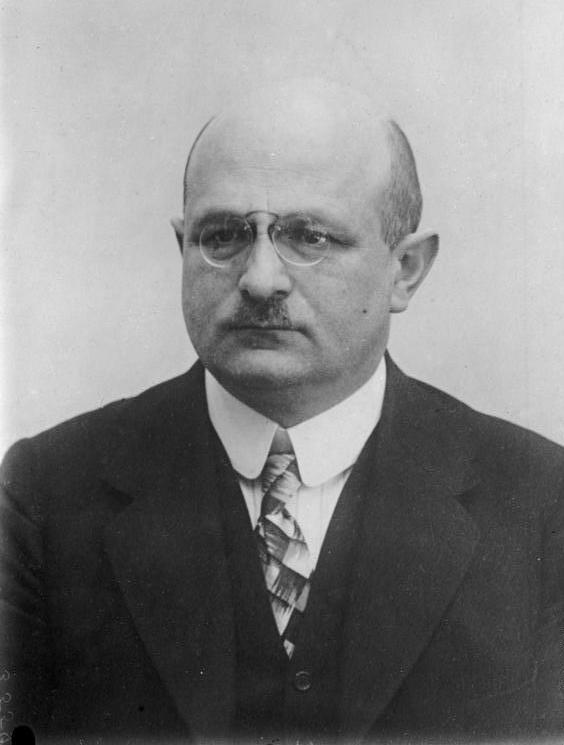
Ramsauer image courtesy of
Deutsches Bundesarchiv under
the
Attribution-ShareAlike
3.0 Germany License.
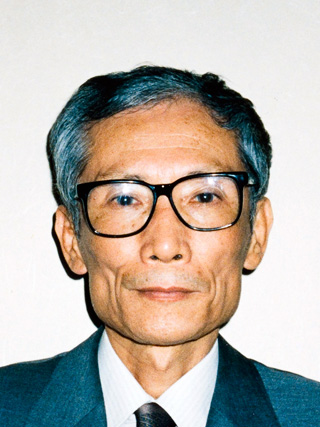
Kondō image courtesy of
Government
of Japan under the
Government
of Japan Standard Terms of Use (Version 2.0) License.
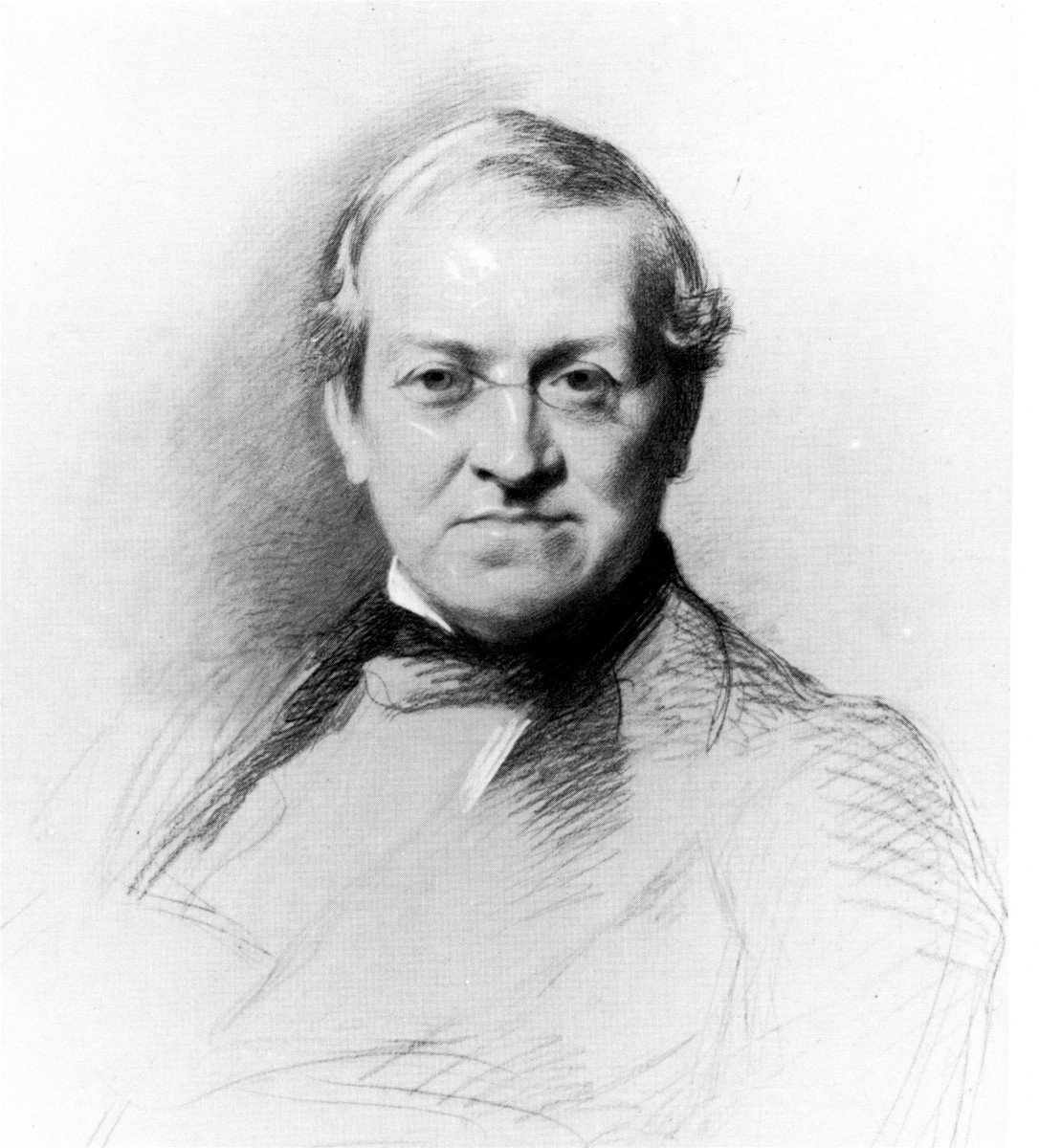
Today is the birthday of
- Charles
Wheatstone (1802-1875).
- Carl
Ramsauer (1879-1955).
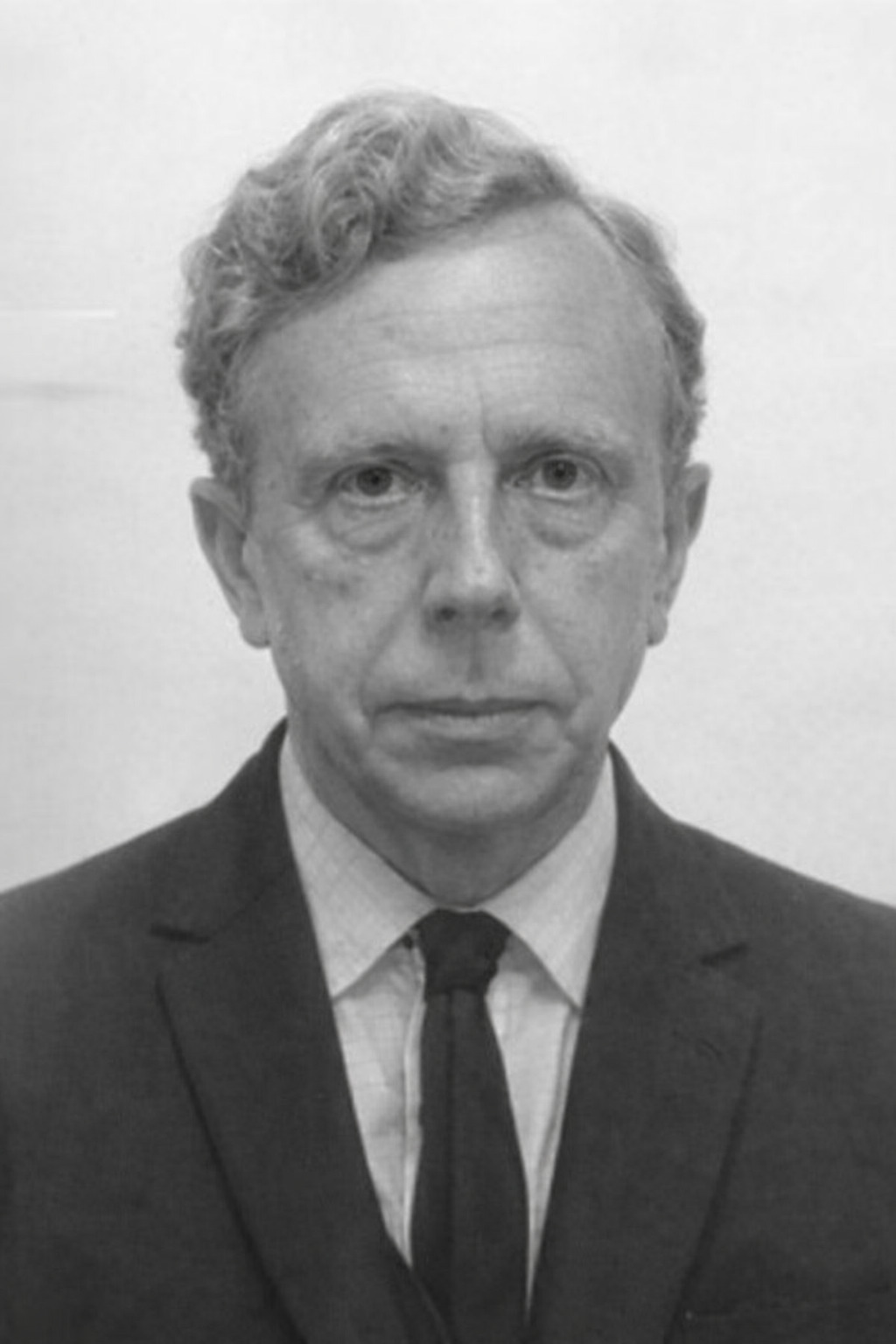
- John Crank
(1916-2006).
- Jun Kondō (1930-2022).
Today’s Problem
Show that saying “Heat never flows from a cold to a hot object without the input of energy.” is equivalent to saying that the entropy must always increase.
Answer
Let \(T_H\) and \(T_C\) be the temperatures of the hot and cold objects respectively. Let \(\delta Q\) be the heat transferred between the hot and cold objects. If we define the entropy change of an object as the heat transferred divided by the temperature of the object, then when heat flows from the hot object to the cold object, the entropy of the hot object decreases by
\[\delta S_H = -\frac{\delta Q}{T_H}\]
and the entropy of the cold object increases by
\[\delta S_C = \frac{\delta Q}{T_C}\]
So the overall change in entropy is
\[\delta S = \delta S_H + \delta S_C = \delta Q\left(\frac{1}{T_C}-\frac{1}{T_H}\right)\]
Since \(T_H\) is greater than \(T_C\) this change is always positive. So entropy increases when heat flows from a hot to a cold object. On the other hand, if the flow is the other way, then
\[\delta S = \delta Q\left(\frac{1}{T_H}-\frac{1}{T_C}\right)\]
In this case, the change in entropy is negative, so entropy decreases when heat flows from a cold to a hot object. Saying that heat always flows from a hot object to a cold object is equivalent to saying “Entropy always increases”.
© 2026 Stefan Hollos and Richard Hollos